
As climate change continues to increase the frequency and severity of flooding events, communities are seeking effective methods to protect their properties and infrastructure. One of the most accessible and widely used flood mitigation techniques is the construction of sandbags. While sandbags can be effective in redirecting water and protecting vulnerable areas, proper construction and safety precautions are essential to ensure their effectiveness and the safety of those involved in the process. This article will outline crucial safety precautions to consider when constructing sandbags for flood protection.
1. Understanding the Purpose of Sandbags
Flood Mitigation
Sandbags are primarily used to create barriers that redirect or contain floodwaters. They can help protect homes, businesses, and critical infrastructure from water damage. Understanding their purpose is key to using them effectively.
Temporary Solution
It’s important to note that sandbags are a temporary flood protection measure. They should be used in conjunction with other flood mitigation strategies and should not be relied upon as the sole solution.
2. Preparing for Sandbag Construction
Gather Necessary Materials
Before you begin constructing sandbags, ensure you have the following materials on hand:
- Sand: Clean, dry sand is ideal for filling sandbags. Avoid using sand that contains debris or organic matter.
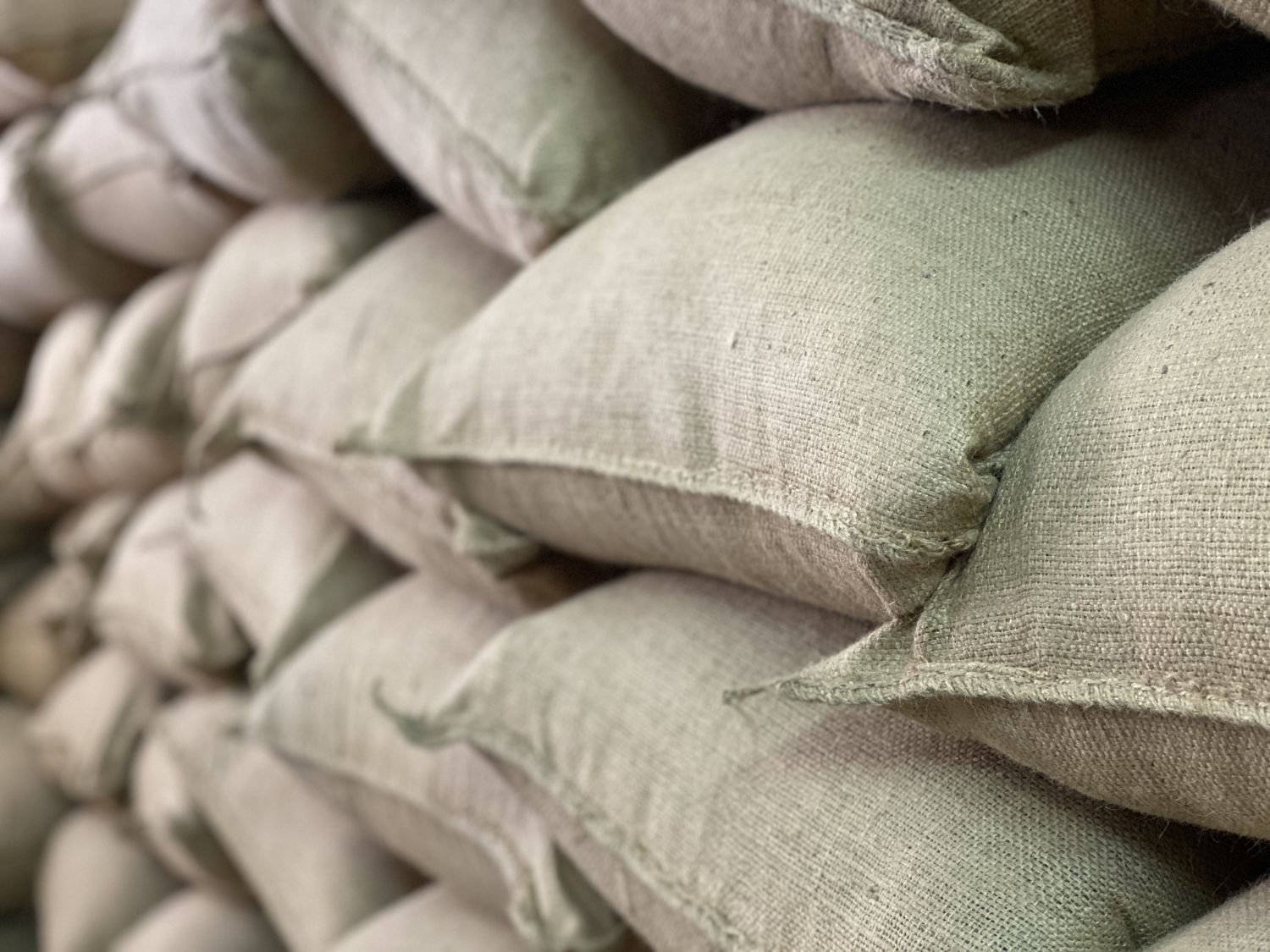
- Burlap or Polyethylene Bags: Use durable, weather-resistant bags specifically designed for sandbag construction. Burlap bags are biodegradable, while polyethylene bags offer greater water resistance.
- Shovels and Equipment: Have shovels, gloves, and any other necessary tools ready for filling and transporting sandbags.
Wear Protective Gear
Safety should always be a priority during sandbag construction. Ensure that all individuals involved wear appropriate personal protective equipment (PPE), including:
- Gloves: To protect hands from cuts, abrasions, and contaminants.
- Dust Masks: To avoid inhaling dust particles while filling bags.
- Safety Glasses: To shield eyes from debris and dust.
3. Proper Sandbag Filling Techniques
Filling the Bags
When filling sandbags, follow these guidelines to ensure they are effective:
- Fill to Approximately Two-Thirds Full: Avoid overfilling the bags, as this can make them difficult to seal and handle. Leaving some space allows for easier stacking and better compression.
- Seal the Bags Properly: If using burlap bags, fold down the top and tie it securely. For polyethylene bags, twist the top and secure it with a knot or tie. Proper sealing prevents sand from spilling out and ensures the bags maintain their shape.
Avoid Lifting Heavy Loads
When transporting filled sandbags, use proper lifting techniques to avoid injury:
- Lift with Your Legs: Bend at the knees and keep your back straight when lifting heavy bags. Avoid twisting your body while lifting.
- Use Equipment: Consider using dollies or carts to transport multiple sandbags at once, reducing strain on your back and joints.
4. Building Sandbag Barriers
Constructing Barriers
When building sandbag barriers, follow these steps for optimal effectiveness and safety:
- Choose the Right Location: Identify areas where water is likely to flow and construct barriers in strategic locations to redirect or contain floodwaters.
- Stack Properly: Lay sandbags in a staggered pattern, similar to bricks, to create a more stable and effective barrier. Ensure that each layer is securely pressed against the previous one.
- Create a Tapered Shape: For added stability, build the sandbag barrier with a tapered shape, wider at the base and narrower at the top. This shape helps prevent water from breaching the barrier.
Monitor Weather Conditions
Stay informed about weather conditions and potential flooding. Be prepared to reinforce or adjust sandbag barriers as necessary, especially in response to rising water levels.
5. Post-Flood Clean-Up and Disposal
Safely Remove Sandbags
After floodwaters recede, it’s important to safely remove sandbags to prevent further environmental contamination. Follow these guidelines:
- Wear Protective Gear: Continue using gloves and masks when handling used sandbags, as they may contain contaminants.
- Dispose of Bags Properly: If the bags are damaged or contaminated, dispose of them according to local waste management guidelines. Some areas may have specific disposal instructions for sandbags used in flood protection.
Clean Up the Area
After removing the sandbags, clean the affected area thoroughly to prevent mold growth and other health hazards. Ensure that the ground is clear of debris and that any residual water is drained away.
Conclusion
Sandbag construction is a practical and effective method for flood protection, but it requires careful planning and adherence to safety precautions. By understanding the purpose of sandbags, preparing adequately, using proper filling techniques, and building stable barriers, you can enhance their effectiveness in mitigating flood damage. Additionally, taking precautions during construction and clean-up ensures the safety of all individuals involved. In a world where extreme weather events are becoming more common, being prepared with the right knowledge and tools can make a significant difference in protecting your property and community from the impacts of flooding.